

Details:
Student Team
Democritus Racing Team (DRT)
Technology Used
Ansys Fluent, Ansys Mechanical
Student team:
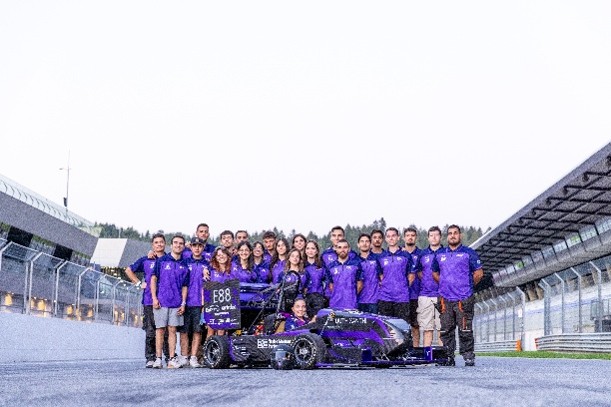
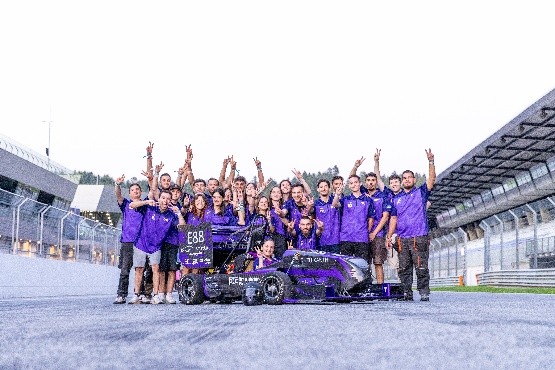
Democritus Racing Team (DRT) is a Formula Student engineering team from the Democritus University of Thrace, Greece, founded in 2017 and comprising 30 student members.
The project:
Democritus Racing Team Advances Electric Race Car Design with Ansys Simulation
In Formula Student racing, achieving a balance between aerodynamic performance, thermal efficiency, vehicle weight, and reliability requires careful engineering decisions. Simulation allows student teams to evaluate design alternatives, optimize critical components, and reduce the need for costly physical prototypes.
Founded in 2017, Democritus Racing Team (DRT) is a 30-member student team from the Democritus University of Thrace, Greece, dedicated to designing and manufacturing electric single-seater race cars.
With support from Simtec and access to Ansys simulation software, DRT has integrated Computational Fluid Dynamics (CFD), thermal analysis, and structural optimization into its vehicle development process.
During the 2026 season, the team used simulation to improve the aerodynamic package, evaluate electric motor cooling solutions, and optimize battery thermal management. These engineering developments also established a foundation for the team's next-generation DR27 electric race car.
Key Results: Simulation-Driven Electric Race Car Development
- 200–300 N downforce per wing: Simplified aerodynamic designs maintained strong downforce performance while reducing wing weight and retaining existing manufacturing molds.
- Over 40 cooling design concepts evaluated: Virtual simulations enabled extensive investigation of electric motor cooling solutions before manufacturing.
- 3 °C maximum temperature difference: The optimized motor cooling jacket achieved high thermal uniformity in an Endurance event simulation.
- 2–4% deviation between CFD and physical testing: Aerodynamic simulations showed close correlation with wind tunnel and track measurements.
- 13th place in Endurance: DRT achieved 23rd place overall among 38 electric teams at Formula Student Austria 2026.
Improving Aerodynamic Performance with Ansys Fluent
Adapting the aerodynamic package to new Formula Student technical regulations presented a significant engineering challenge.
The team aimed to improve aerodynamic performance while reducing component weight, maintaining manufacturing compatibility, and minimizing development costs.
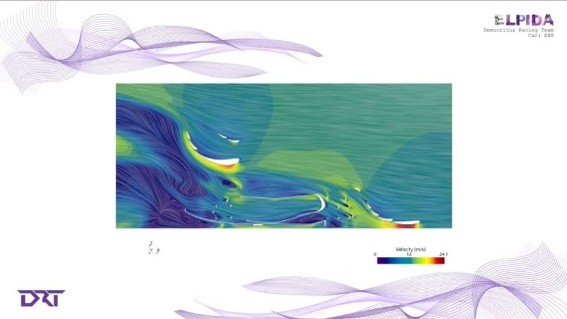
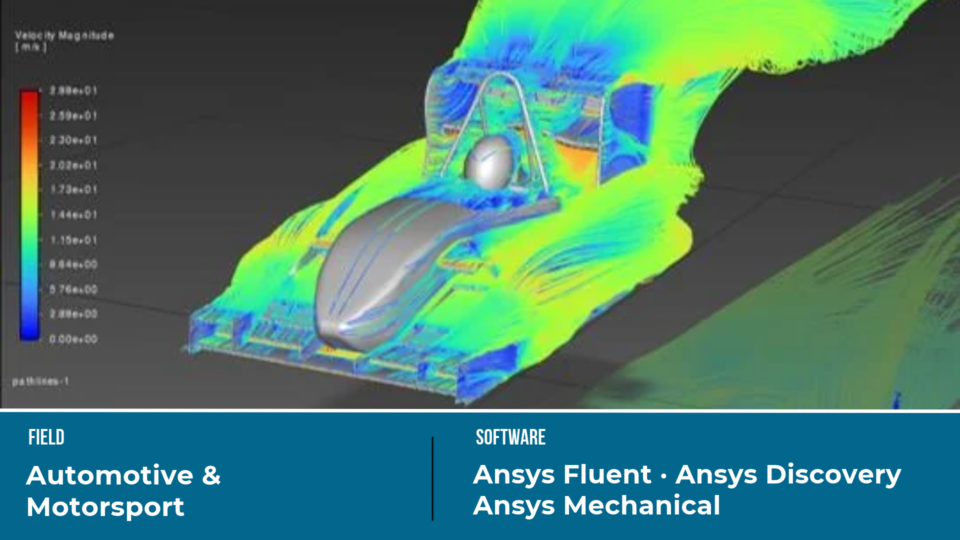
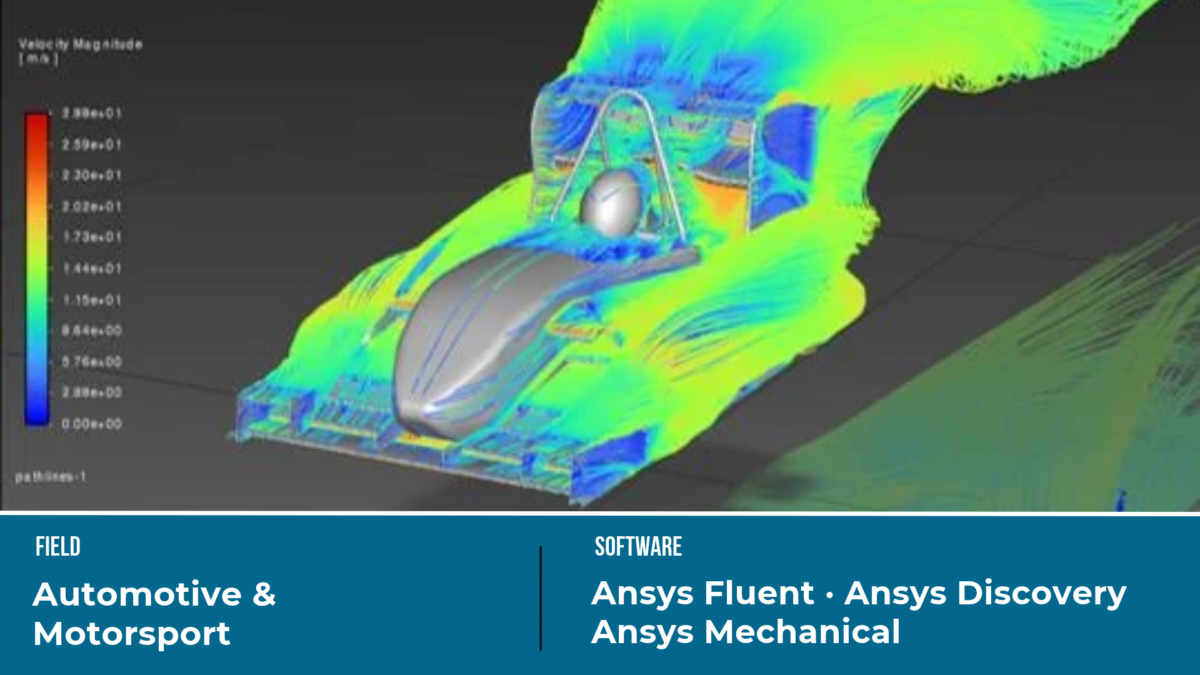
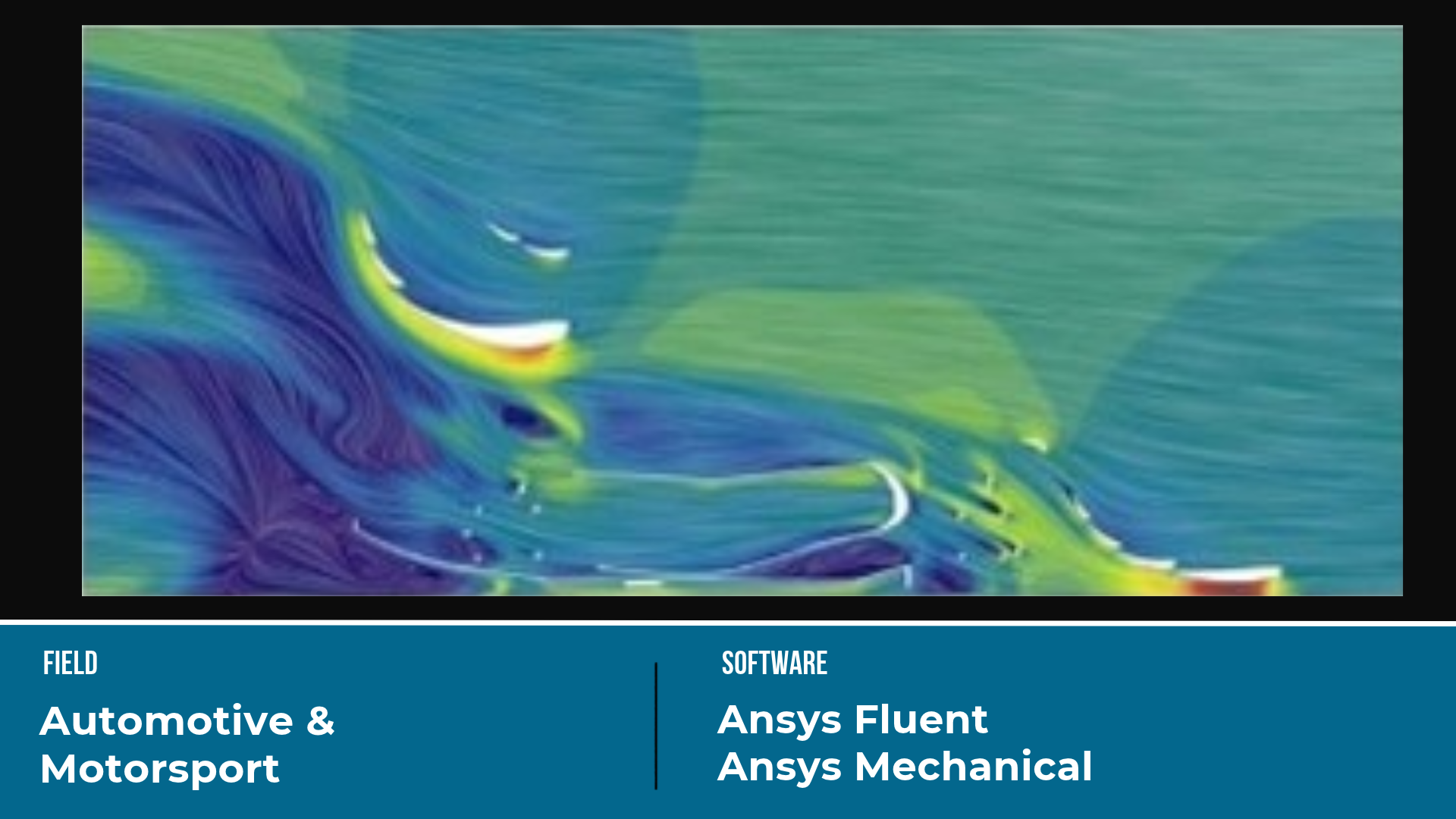
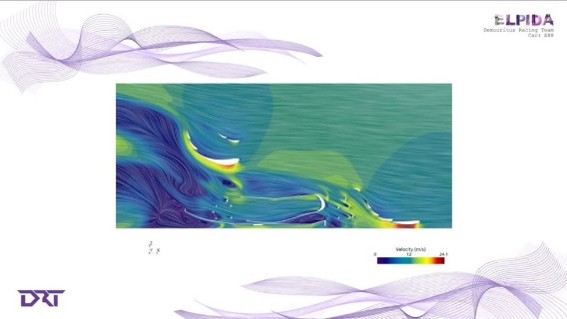
Using Ansys Fluent, DRT performed CFD simulations to analyze the airflow around different aerodynamic configurations and evaluate their performance under the updated regulations.
The engineering team investigated multiple design parameters, including airfoil profiles, wing element arrangements, angles of attack, and regulatory geometric restrictions.
Particular emphasis was placed on developing geometrically simpler wings that could retain existing manufacturing molds without compromising aerodynamic performance.
The CFD results guided the selection of lighter wing designs capable of generating 200–300 N of downforce per wing.
By evaluating aerodynamic configurations virtually, the team reduced the need for additional physical prototypes, saving manufacturing time and resources while improving its understanding of airflow behavior.
Optimizing Electric Motor Cooling with Ansys Fluent and Mechanical
Preparing for the transition to a dual-motor powertrain introduced important thermal management and weight-reduction challenges.
DRT needed to develop an efficient and lightweight electric motor cooling jacket capable of maintaining uniform temperatures during demanding Endurance conditions.
Using Ansys Fluent, the team simulated coolant flow and conjugate heat transfer based on real thermal load data recorded during its participation in Formula Student Austria.
More than 40 design concepts were evaluated, investigating internal coolant channel geometries, flow distributions, pressure losses, and surface temperature gradients.
The simulations provided detailed insights into internal three-dimensional flow fields, local recirculation zones, and temperature variations that would have been difficult to investigate through physical testing alone.
After identifying an optimized thermal configuration, the team used Ansys Mechanical to perform thermal and structural analyses, followed by topology optimization to reduce the cooling jacket's weight while maintaining the required structural integrity.
The resulting design achieved a maximum temperature difference of just 3 °C between the hottest and coolest regions of the heat exchanger in the Endurance event simulation.
The final solution combined thermal efficiency, reduced weight, and manufacturing simplicity, demonstrating how Ansys simulation can help engineers balance competing design requirements.
Enhancing Battery Thermal Management and Safety
Maintaining safe operating temperatures within an electric race car's high-voltage battery system is essential for performance, reliability, and competition compliance.
For DRT, the main challenge involved optimizing the arrangement of battery segments inside the accumulator container, improving cooling airflow, and managing heat transfer through copper and nickel electrical connectors.
Using Ansys Fluent and Ansys Mechanical, the team investigated alternative accumulator configurations, cooling duct geometries, and connector designs.
The simulations helped evaluate airflow distribution, battery cell temperatures, and the thermal performance of critical electrical connections.
Based on these findings, DRT refined the accumulator segment layout, cooling duct geometry, and copper/nickel busbar designs.
The resulting configuration was designed to maintain battery cells and connectors within their optimal operating temperature ranges while addressing the safety and technical requirements of Formula Student competition regulations.
Validating CFD Predictions Through Physical Testing
For Democritus Racing Team, simulation is an essential part of engineering development, but physical validation remains equally important.
The team conducted several aerodynamic testing activities to evaluate the accuracy of its CFD predictions and strengthen confidence in its simulation methodology.
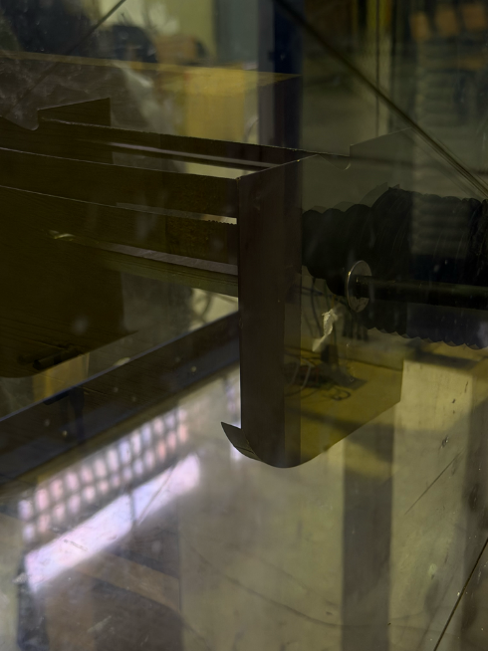
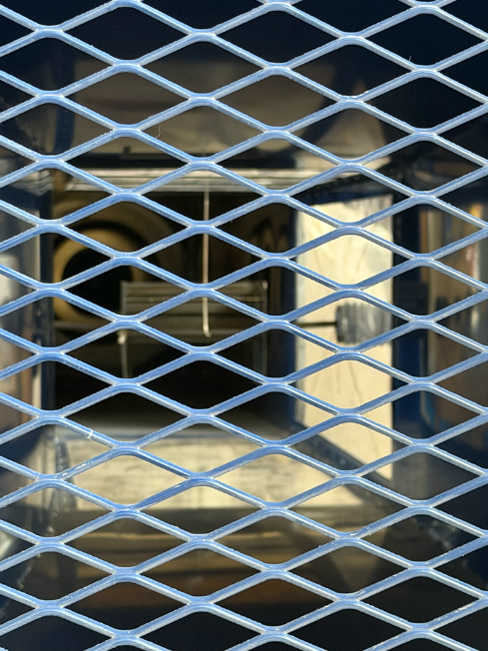
These included wind tunnel testing of the rear wing, on-track tuft testing across the aerodynamic package to identify potential airflow separation, and pressure sensor measurements underneath the front wing.
By comparing the aerodynamic CFD predictions with physical measurements, DRT reported a deviation of only 2–4%.
This close correlation provided valuable confirmation of the team's aerodynamic simulation approach and helped support informed design decisions.
In parallel, simulation enabled the team to digitally evaluate more than 40 motor cooling concepts and multiple aerodynamic configurations before manufacturing, reducing the need for costly trial prototypes.
From Engineering Simulation to Formula Student Austria 2026
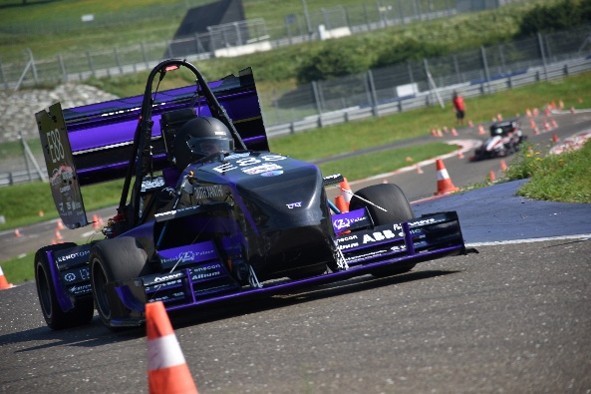
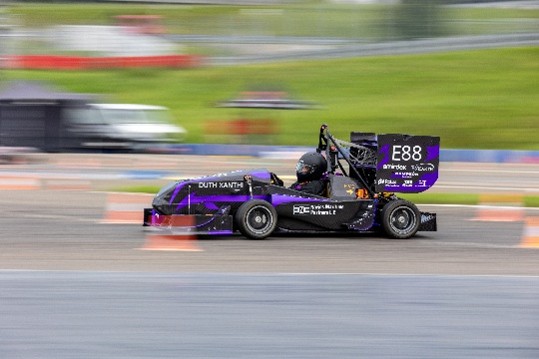
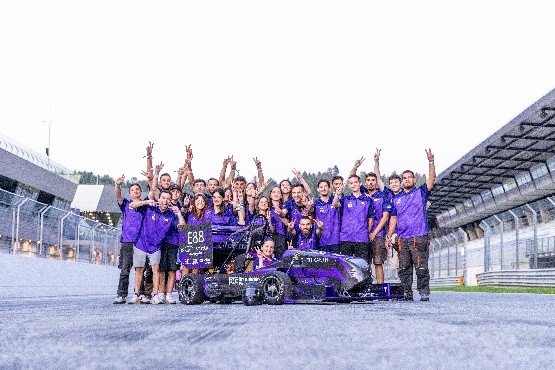
The team's simulation-driven engineering efforts contributed to a successful 2026 competition season with its electric race car, Elpida Evo.
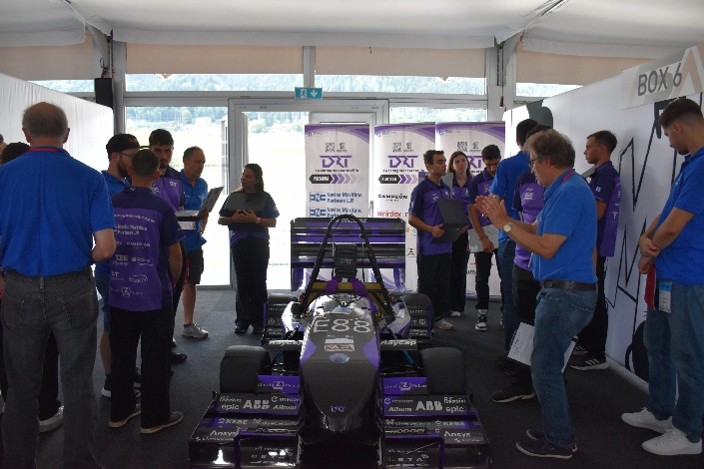
At Formula Student Austria 2026, Democritus Racing Team achieved 23rd place overall among 38 electric teams, including a notable 13th-place finish in the Endurance event.
Beyond the competition results, DRT made important progress in developing its engineering simulation capabilities, improving its ability to evaluate complex technical challenges and translate simulation results into practical vehicle design decisions.
The team's experience demonstrated the value of combining advanced engineering software, physical testing, and manufacturing expertise throughout the development of an electric racing vehicle.
The Team's Experience with Ansys and Simtec
For Democritus Racing Team, Ansys simulation plays an important role in turning theoretical engineering knowledge into practical solutions.
Advanced simulation tools allow student engineers to investigate complex physical phenomena, evaluate multiple design alternatives, and optimize vehicle components before manufacturing.
As the team explains:
"As a Formula Student team, simulation is an essential part of our engineering process. Ansys allows us to apply theoretical knowledge to real engineering challenges, test our designs virtually, and make informed decisions that contribute to building a more competitive race car."
Democritus Racing Team
The team also highlights the importance of Simtec's sponsorship and technical guidance:
"Simtec's sponsorship and support have been equally valuable, giving our team access to advanced engineering tools and the guidance needed to make the most of them. Their contribution helps us bridge the gap between theoretical knowledge and practical engineering experience."
Democritus Racing Team
Through its collaboration with Simtec, DRT continues to strengthen its technical capabilities, develop industry-relevant simulation skills, and gain practical engineering experience.
Looking Ahead: Developing the Next-Generation DR27
Building on the experience gained during the 2026 season, Democritus Racing Team is preparing for a significant step forward in its electric race car development.
The next-generation DR27 will introduce several major engineering upgrades, including the team's first composite monocoque chassis, a dual-motor drivetrain, and a redesigned battery pack incorporating upgraded battery cells.
These developments aim to reduce overall vehicle weight, improve structural performance, and increase powertrain efficiency and reliability.
Ansys simulation will continue to support the team's engineering workflow, particularly in structural analysis, composite material optimization, thermal management, and component validation.
The team also plans to retain its optimized motor cooling jacket design for the next season, building on the thermal performance, lightweight design, and manufacturing efficiency demonstrated through simulation.
One important lesson from the cooling optimization project will continue to guide future development: simplicity is key.
By prioritizing Design for Manufacturing alongside simulation-driven optimization, DRT aims to reduce development time, improve engineering efficiency, and deliver competitive and reliable components.
At Simtec, we are proud to support Democritus Racing Team through our student sponsorship activities, helping future engineers gain hands-on experience with industry-leading Ansys technology.
Learn more about Democritus Racing Team: https://drt-racing.duth.gr/